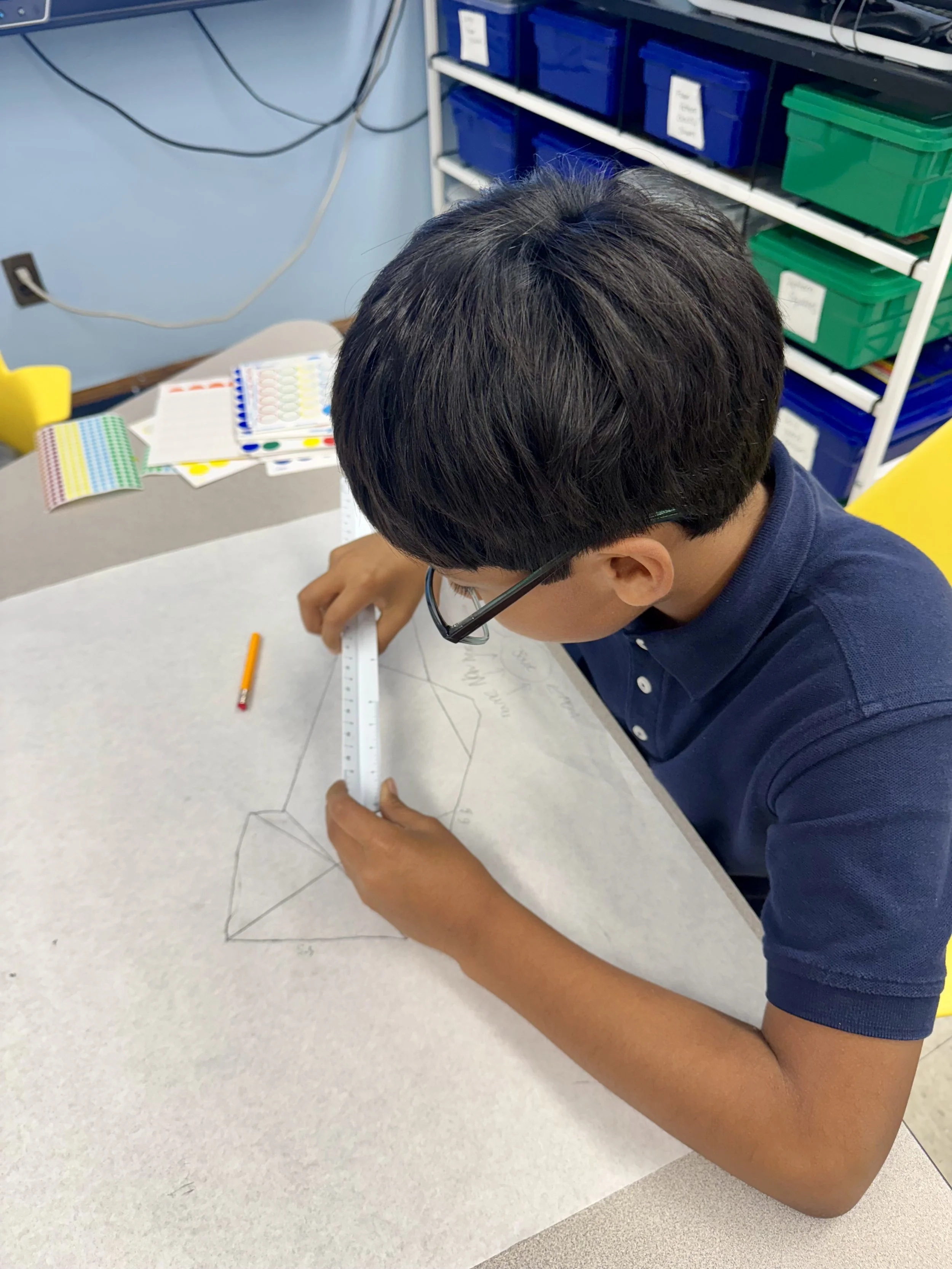
The Findings
“A sense of belonging in mathematics–feeling accepted and valued in the field–is a powerful predictor of student success.”
– Flavin & Flavin, drawing on Good et al. (2012)
Finding 1: Students Strengthened Their Mathematical Identity and Belonging
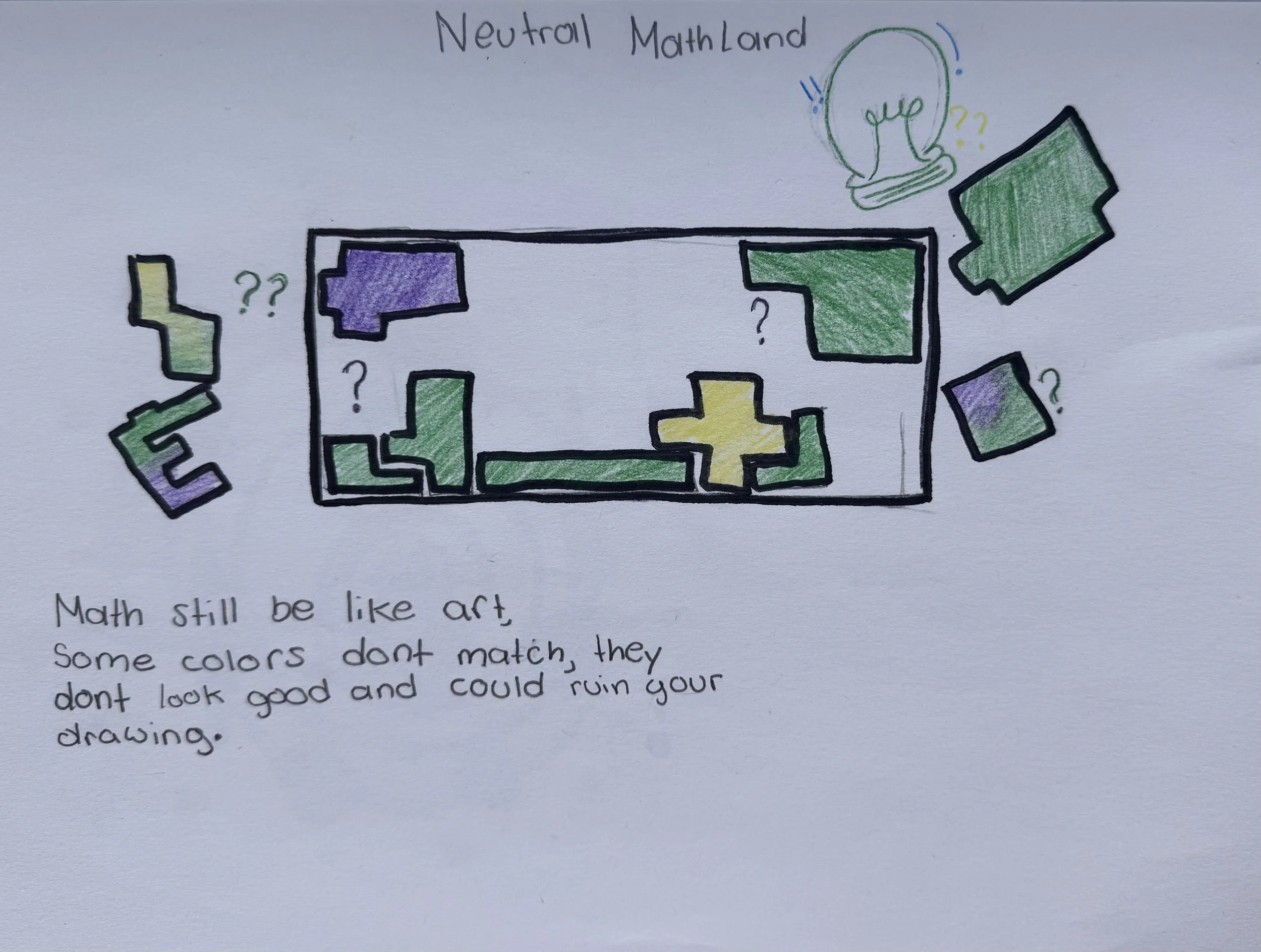
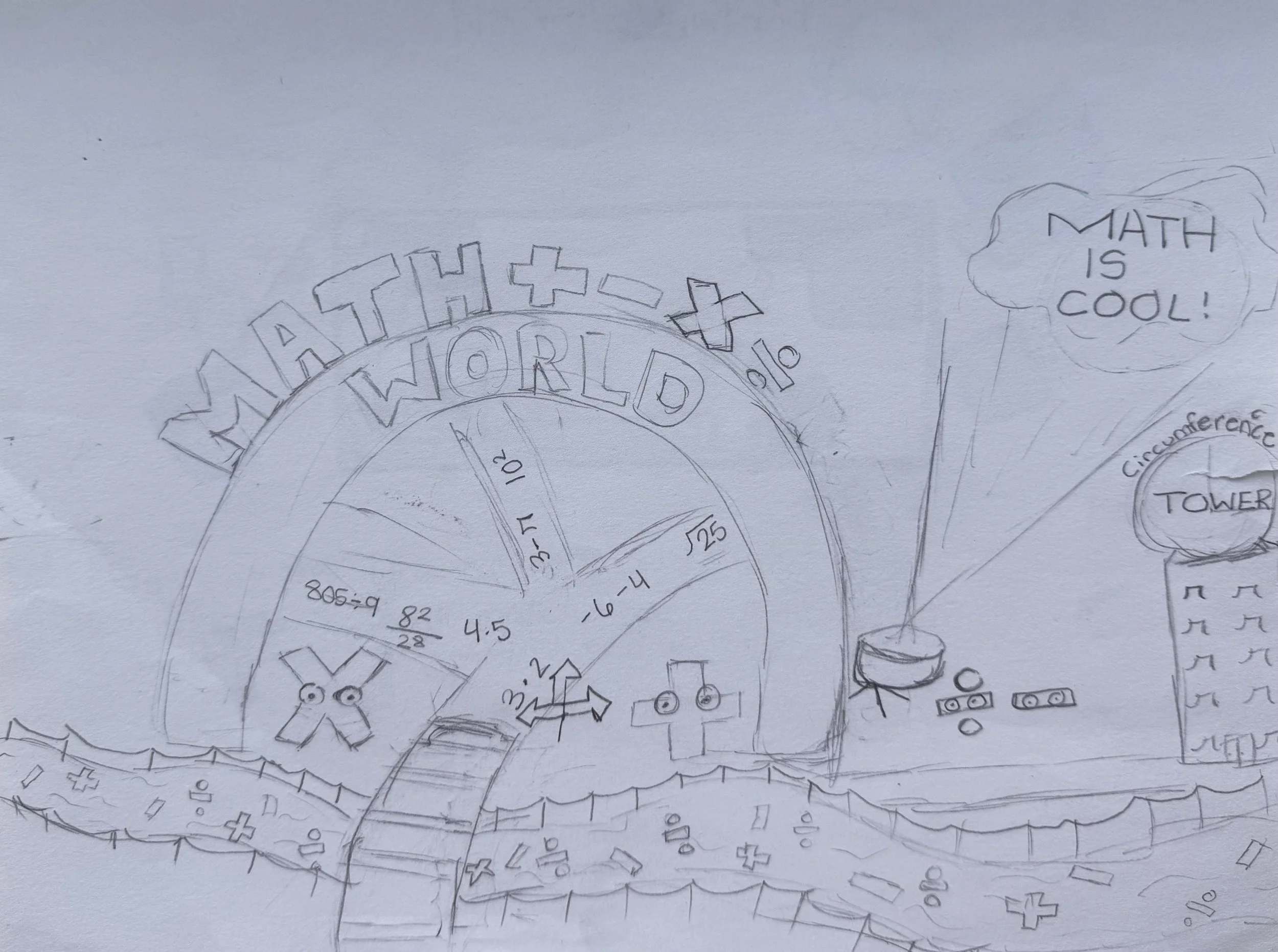
Across the project, students increasingly described themselves as capable mathematical thinkers. They moved from seeing mathematics as a school subject to seeing it as a tool they could use to explain, design, and make decisions.
Student reflections suggested that confidence grew when students had opportunities to reason publicly, revise their work, and explain why their mathematical choices made sense. Instead of simply completing problems, students used mathematics to defend ideas and respond to real questions.
This finding is especially important because mathematical belonging is closely connected to students’ continued participation and success in mathematics. Flavin and Flavin (2025), drawing on Good et al. (2012), define belonging in mathematics as feeling accepted and valued in the field. They also emphasize that many students lack this feeling when curricula and school cultures fail to represent them or position them as contributors. Within this project, belonging was cultivated through student voice, community connection, collaborative design, and public presentation. Students were not only learning mathematics; they were developing a different relationship to mathematics and to themselves as mathematical thinkers.
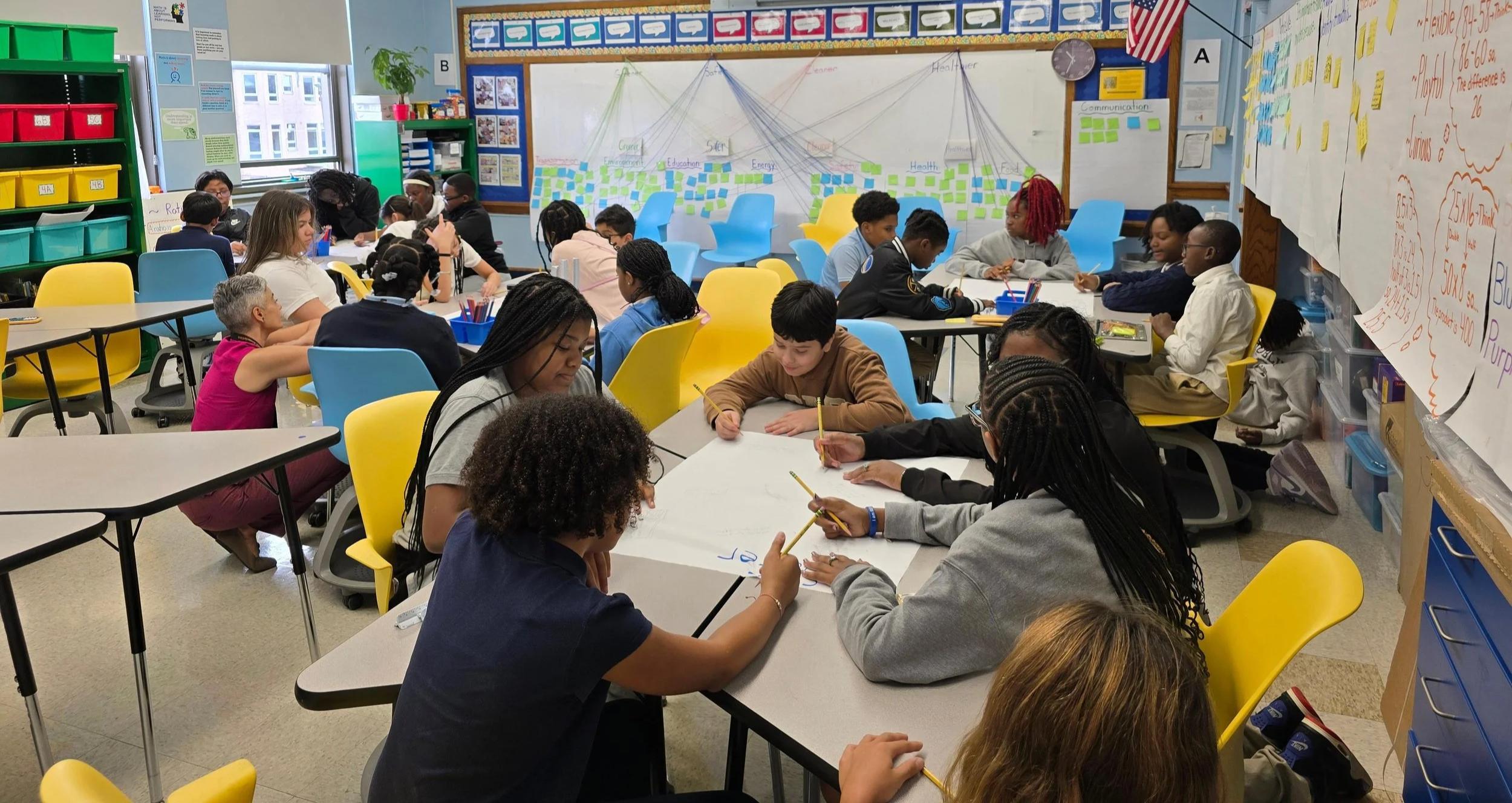
Finding 2: Students Demonstrated Deeper Engagement and Persistence
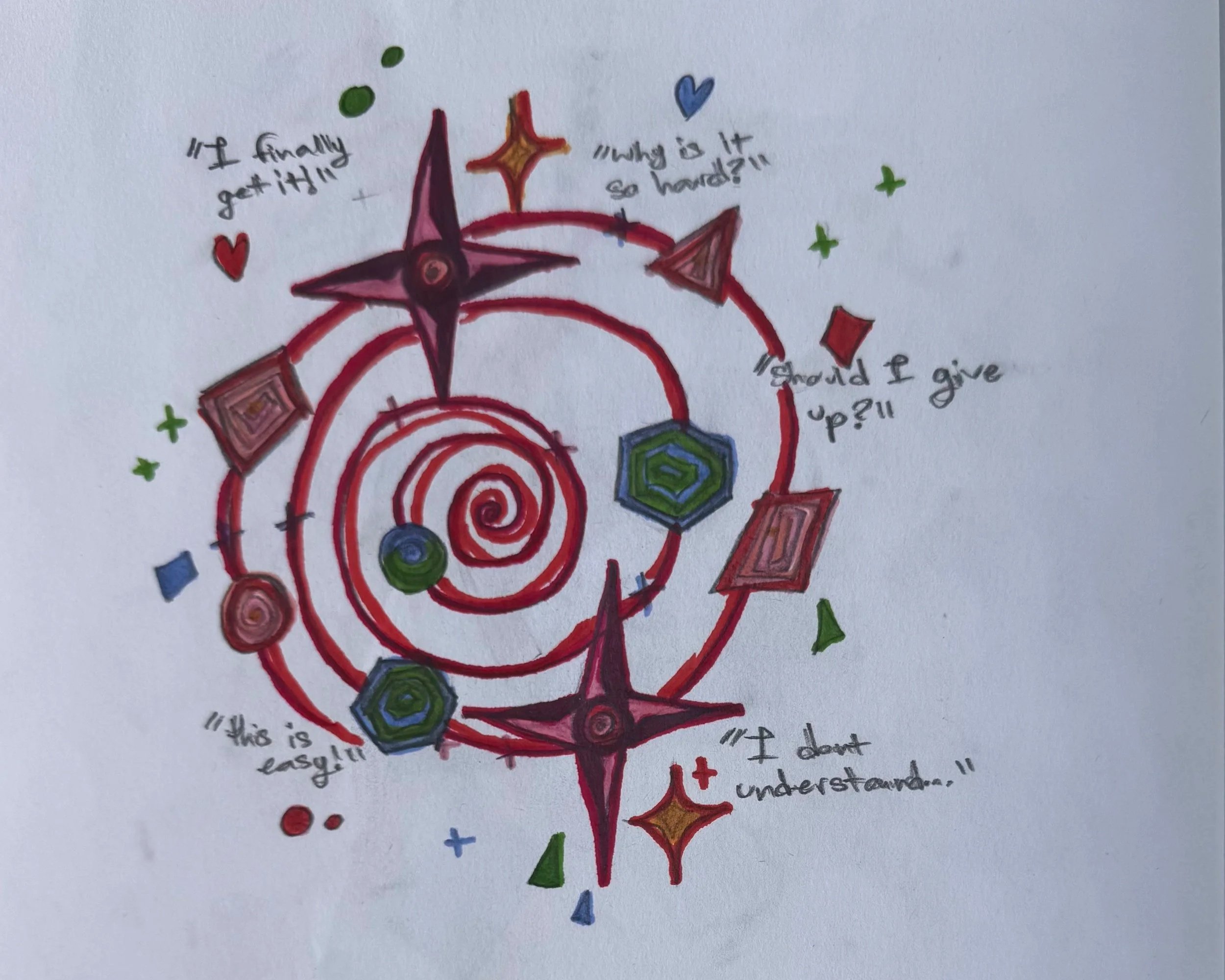
Students showed sustained engagement because the work felt meaningful, collaborative, and connected to a real place. The project required students to persist through uncertainty, revise designs, work through constraints, and make decisions as a team.
This kind of engagement differed from task completion. Students were not only trying to finish. They were trying to make their ideas work. When a design did not meet the constraints or the mathematics did not support their proposal, students returned to the problem, adjusted their thinking, and tried again.
McConchie’s brain-based framing helps explain why this mattered. If students’ emotional relationship with mathematics is foundational to their cognitive relationship with mathematics, then engagement, belonging, and relevance are not separate from mathematical learning. They are part of the conditions that make deeper reasoning possible. In this project, students persisted because the work was not merely assigned; it was connected to place, purpose, peers, and public contribution.
Finding 3: Students Developed Agency Through Civic and Mathematical Reasoning
Students began to describe mathematics as a tool for making decisions and contributing to their community. Through survey analysis, scale modeling, and design constraints, they used mathematics to evaluate what was possible and justify what they believed would be beneficial.
This finding is central to the project because it shows that students did not only learn mathematical content. They began to use mathematics as a form of civic reasoning. They considered people, place, feasibility, and impact. Their final presentations made their thinking public and consequential.
By using mathematics to imagine alternative futures for Orange, students engaged in the kind of speculative and community-centered modeling described by Flavin and Flavin. Mathematics became a tool for possibility: a way to analyze the world as it is while designing toward what it could become.
“
I used to think this project was just about buildings, but it became about people. When we designed our Wellness and Innovation Hub, we had to think about real problems like access to healthy food, hygiene, and green space. The math actually mattered because we had to prove our design would work and meet real requirements. Presenting to professionals made it feel real. They asked difficult questions we defended, and I’m proud because our idea could actually help our community.
”
— Patrick, 6th Grade Scholar
“
At first, I didn’t realize how many real problems one space could solve. When we worked on the Highland Avenue project, we had to think about flooding, food access, and energy all at the same time. The math helped us figure out things like how much green space we needed and how to stay within the rules but still make an impact. Building the model made it feel real and fun, but presenting it made it feel important.
”
— Cynthia, 6th Grade Scholar
Student Voice as Evidence
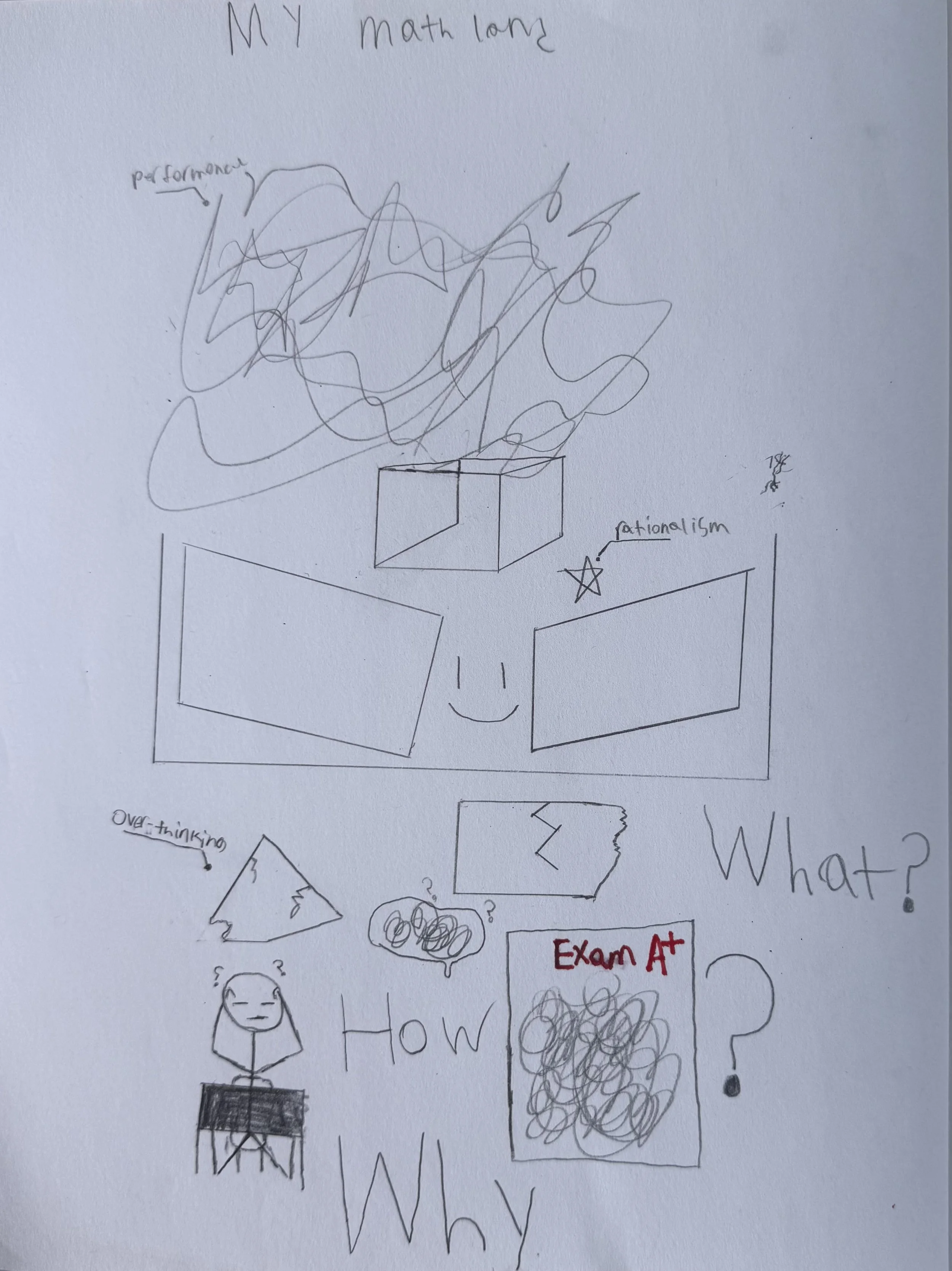
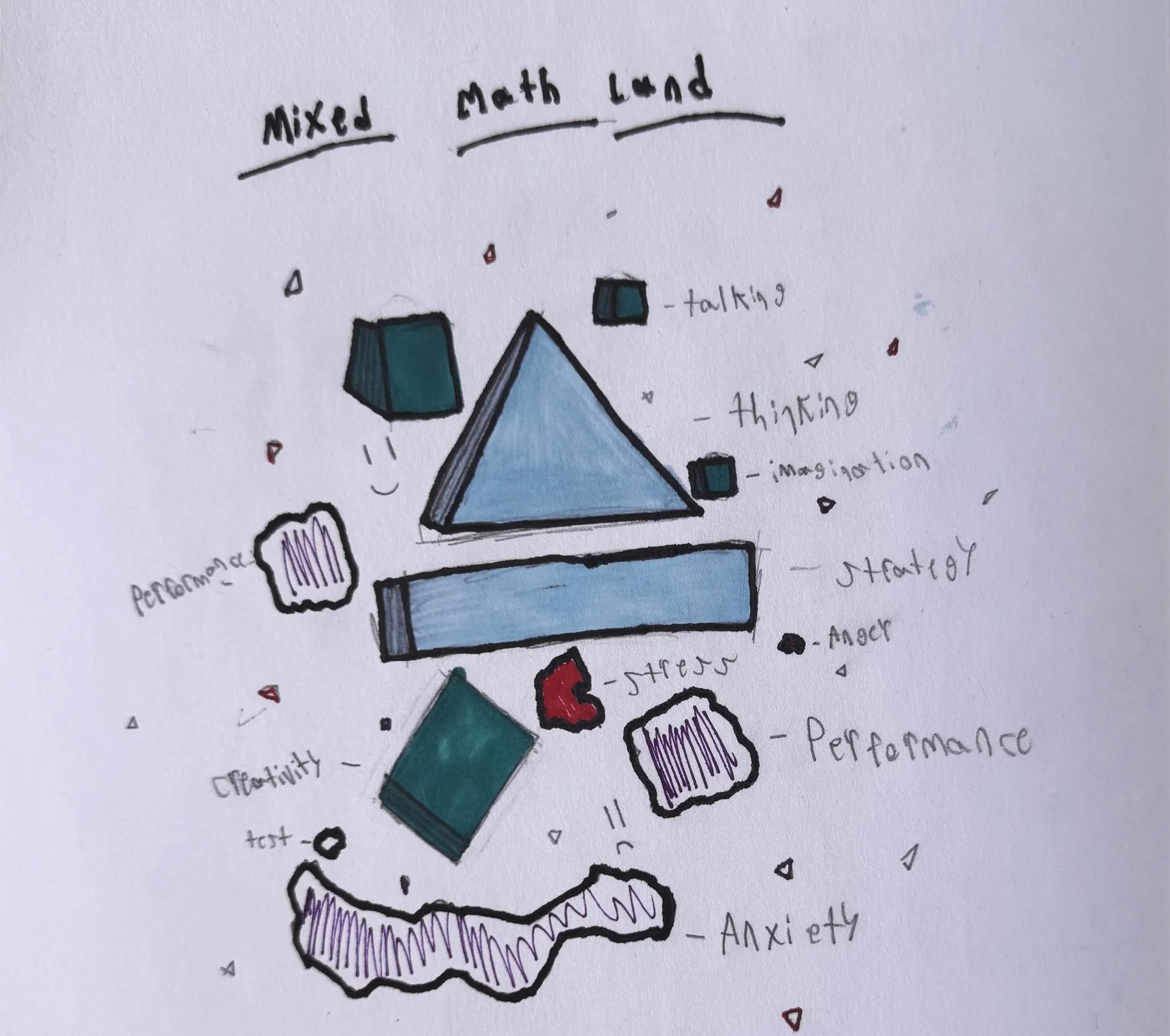
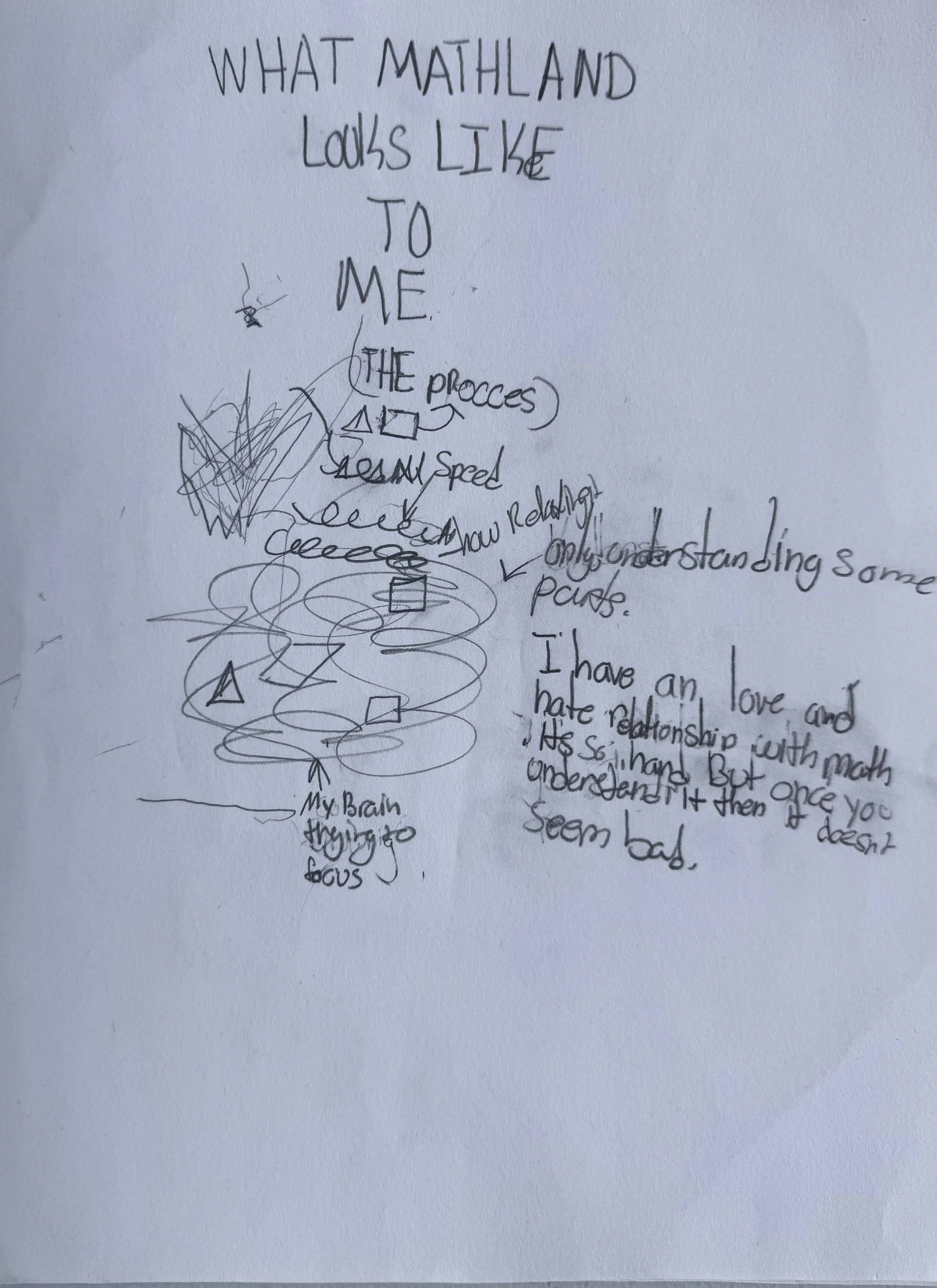
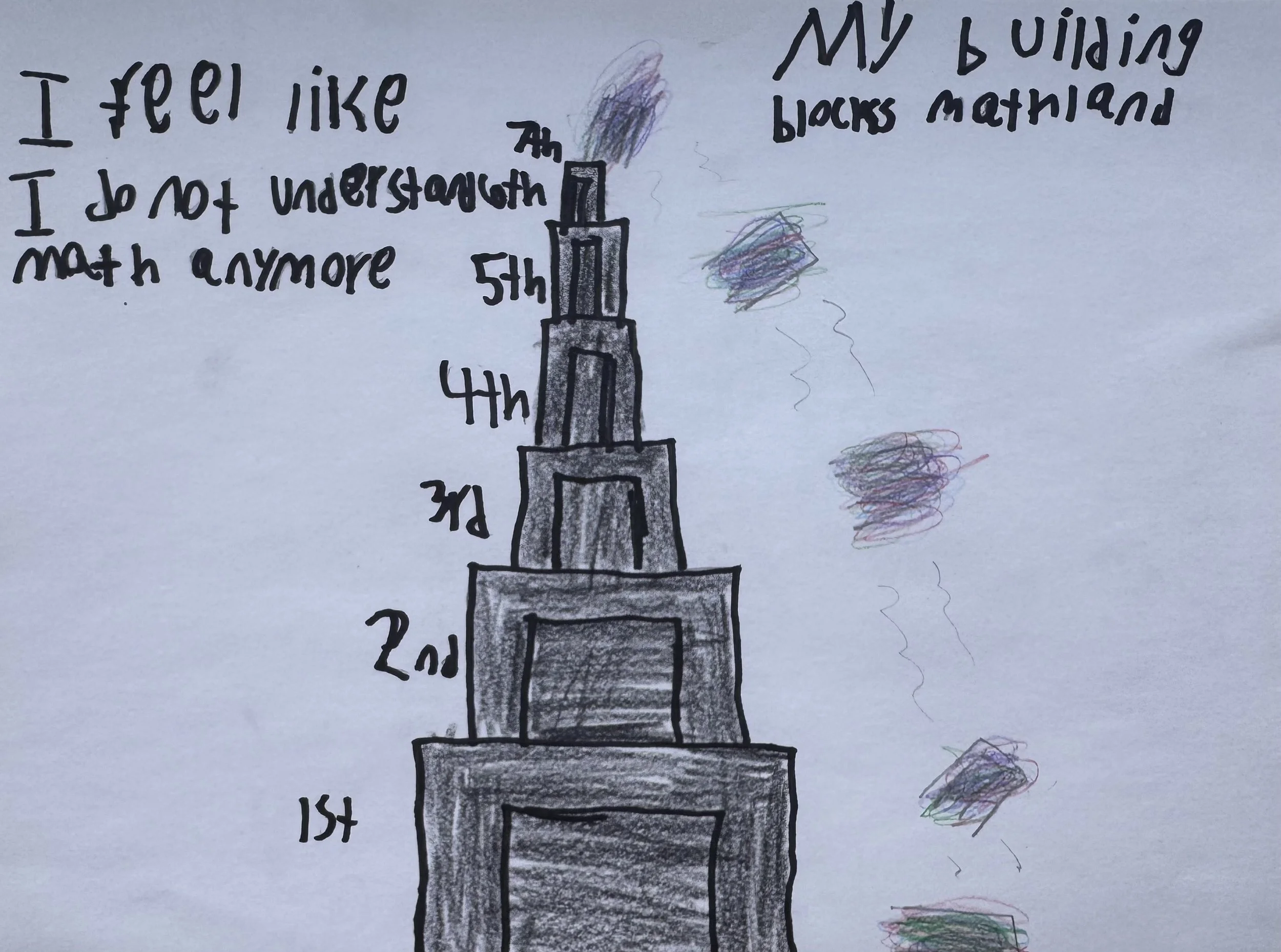
Before students could reimagine Orange, they were invited to reimagine their relationship with mathematics. Student voice was not an add-on to this curriculum. It was central to its design, implementation, and impact.
From the beginning of the project, students were invited to see themselves as mathematicians, community members, designers, and decision-makers. The unit opened with activities that asked students to reflect on their personal identities, mathematical identities, strengths, challenges, and the ways they already use mathematics in their everyday lives.
Student voice became both a source of curriculum design and a measure of curriculum success. When students are given meaningful opportunities to connect mathematics to who they are and where they live, their voices become evidence of learning.
The project ended with students presenting their proposals to an authentic audience of teachers, administrators, a city official, a professional architect, and an urban planner. In that setting, student voice became public and consequential as students defended their reasoning, responded to questions, and engaged in dialogue about feasibility, impact, and design choices.
Together, these voices reveal one of the project’s most meaningful outcomes: students did not only learn mathematics. They began to describe themselves differently in relation to mathematics, community, and change.
Summary of Findings
Together, the findings suggest that when mathematics is grounded in meaningful local issues, students experience the subject differently. They begin to see mathematics as relevant, collaborative, and useful beyond the classroom. They also begin to see themselves differently: as thinkers, designers, contributors, and people whose mathematical ideas can matter in the world.
These findings reinforce the idea that identity, emotion, belonging, and cognition are interconnected. When students feel represented, valued, and connected to the purpose of mathematical work, they are more likely to persist, reason, collaborate, revise, and communicate their thinking.