An Action-Research Project and Curriculum Study
Equity, Identity and Agency Through
Place-Based Mathematics
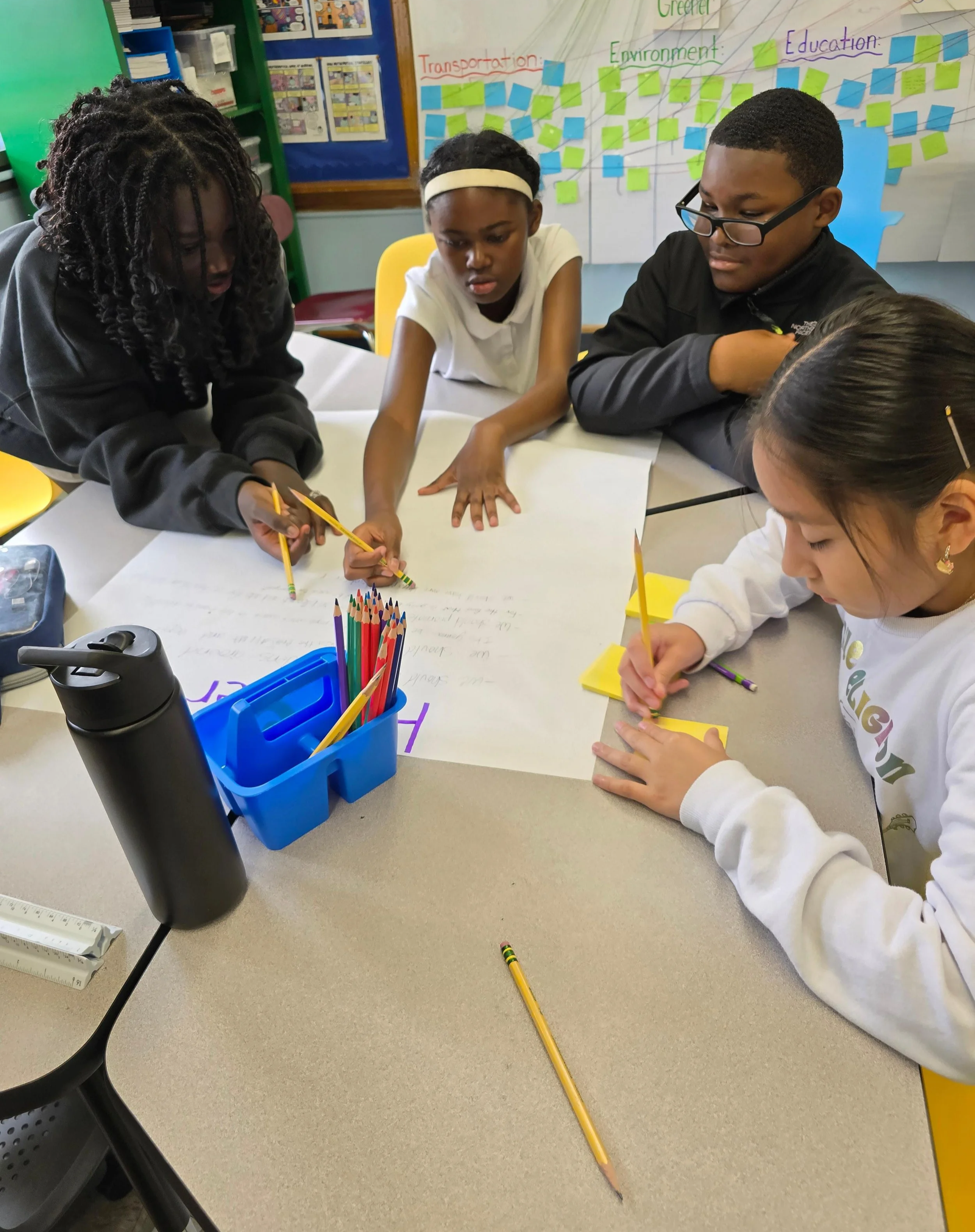
How does participation in a place-based, sustainability-focused mathematics project influence gifted sixth-grade students’ mathematical identity, engagement, and sense of agency in a Title I urban school?
Mathematical Worldmaking is both an action-research project and a curriculum study. This action-research project investigates a problem of practice in my gifted mathematics classroom: students needed opportunities to experience rigorous mathematics as relevant, identity-affirming, and connected to the community they call home.
The curriculum study, Reimagining a More Sustainable Orange, documents the instructional response to that problem: the learning sequence, mathematical goals, student roles, design constraints, and culminating public presentation. In this way, the curriculum served as both the response to the problem of practice and the context through which the action-research inquiry unfolded.
The findings presented on this site are not simply a description of the unit. They are an analysis of evidence gathered during the curriculum to understand how place-based mathematics shaped students’ identity, engagement, agency, and civic reasoning.
The Problem of Practice
Mathematics felt too disconnected from students’ lives, identities, communities, and civic questions. This project began from a need to make rigorous mathematics more relevant, humanizing, and connected to the places students know.
The Research
Scholarship on critical pedagogy of place, culturally relevant pedagogy, mathematical belonging, speculative design, brain-based math identity, and Building Thinking Classrooms grounds this curriculum study.
Curriculum Study
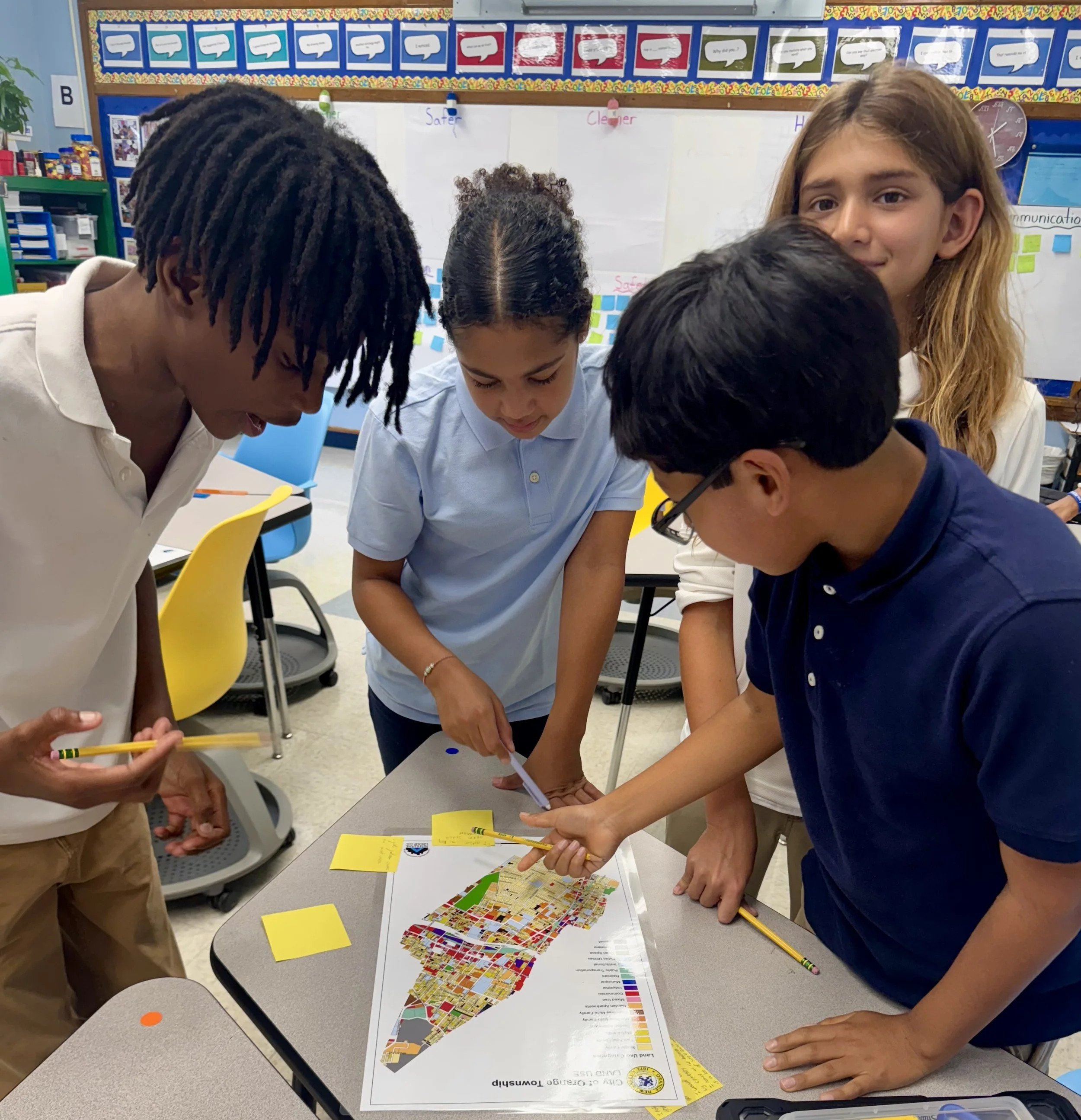
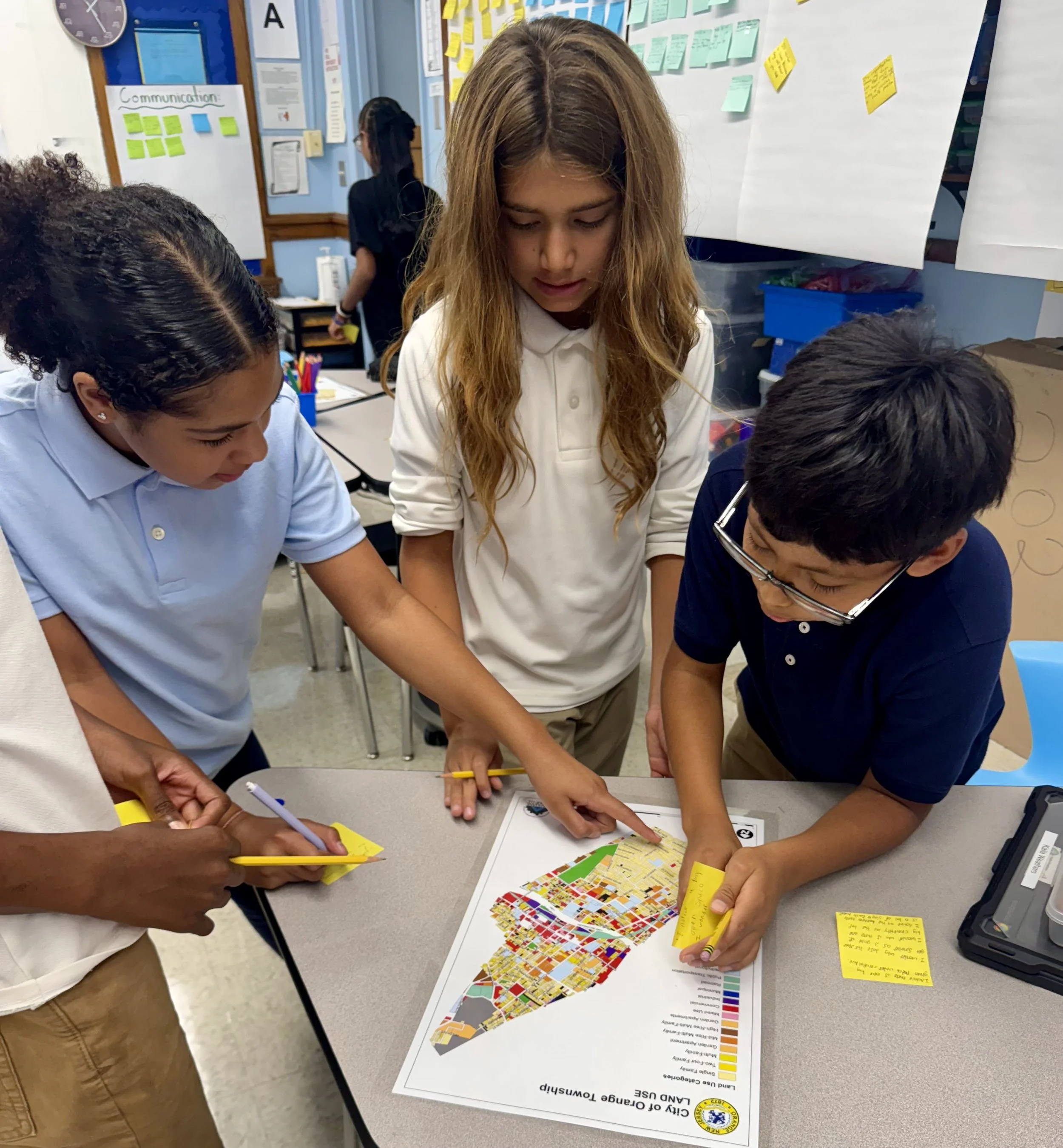
A 16-session place-based mathematics unit centered on Orange, NJ, sustainability, community data, scale, proportional reasoning, geometry, design, and public presentation.
Methodology & Findings
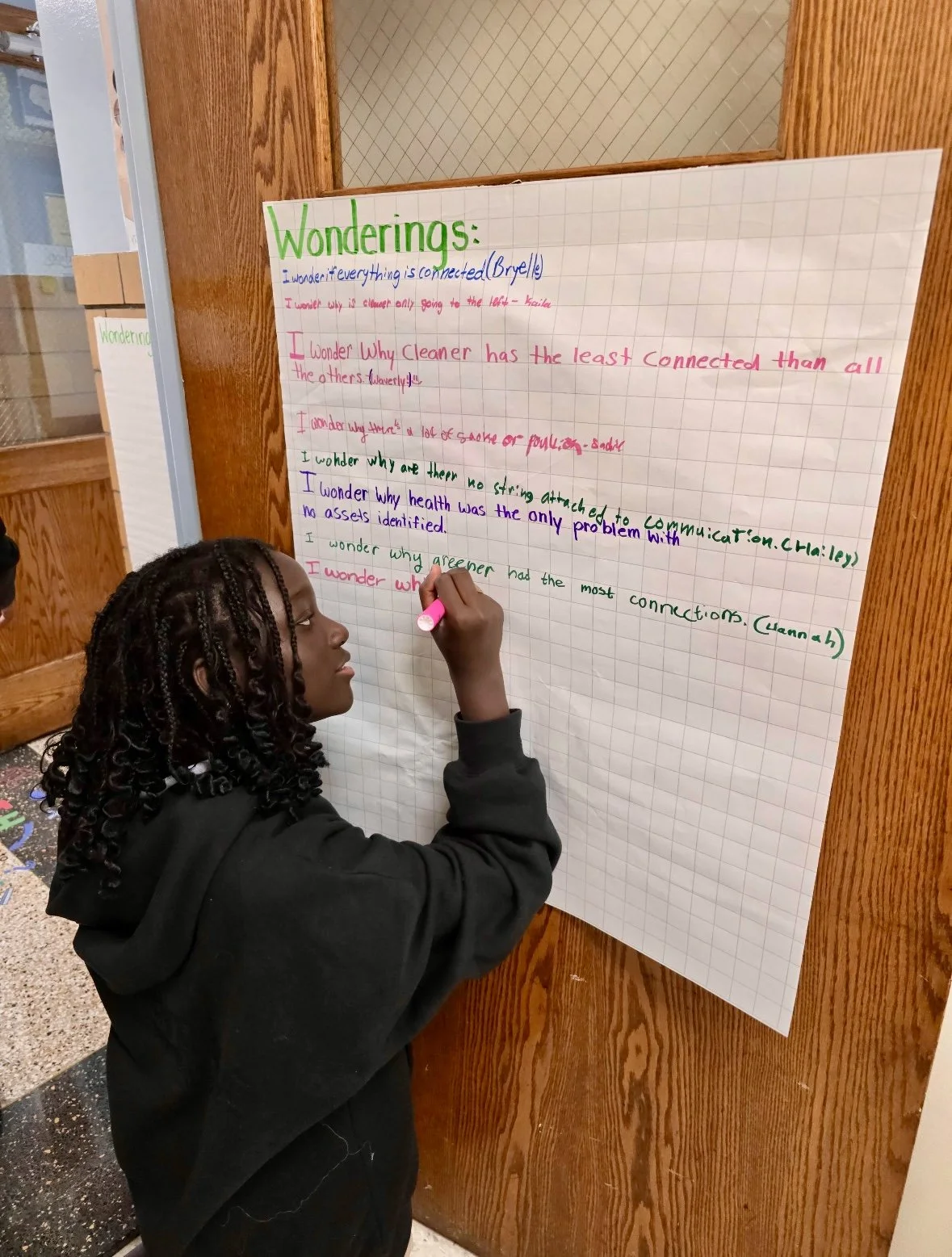
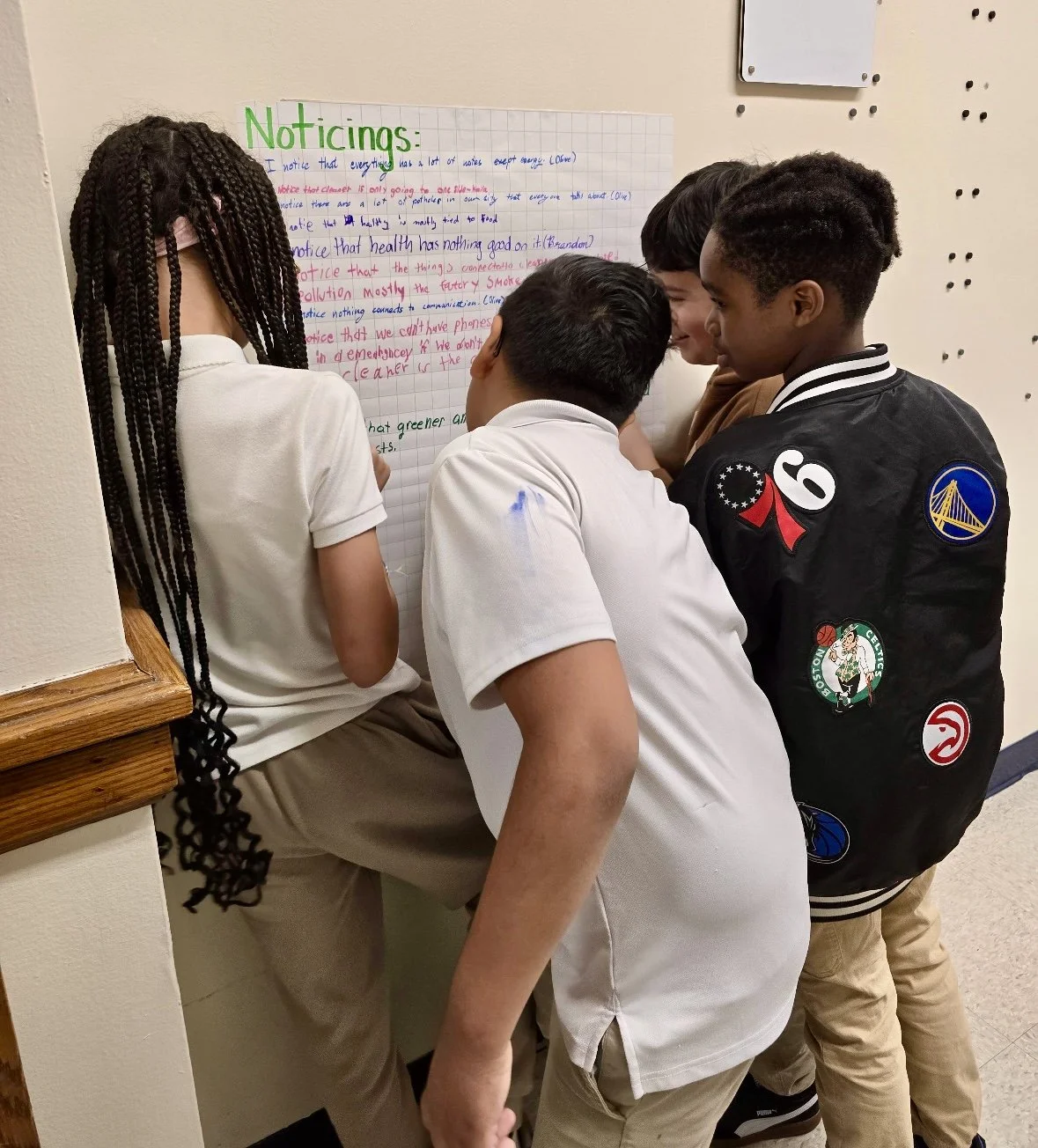
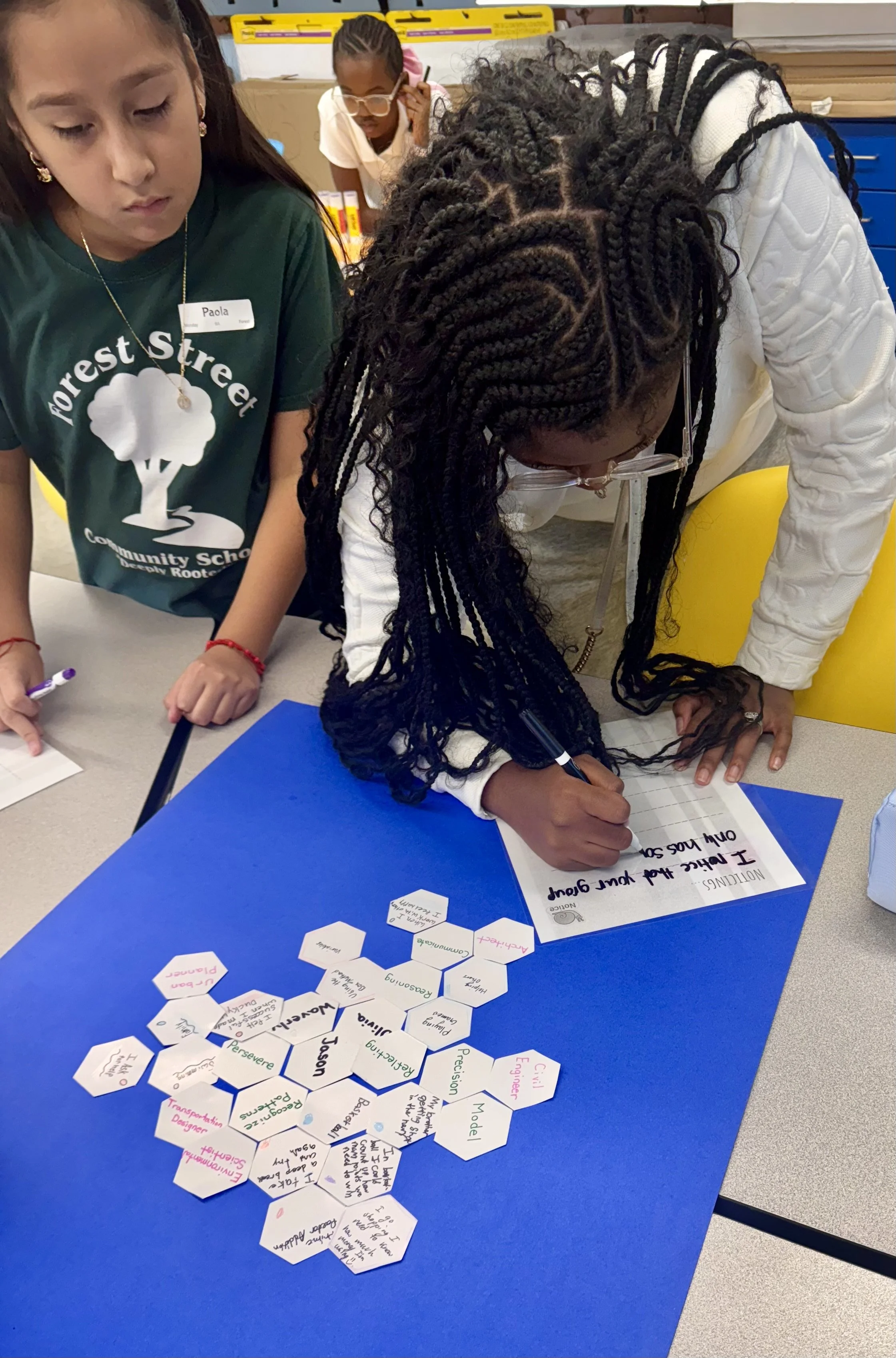
Student work, Take a Stand responses, pre/post surveys, student-designed survey data, reflections, artifacts, and presentations were analyzed for patterns in identity, engagement, agency, belonging, mathematical reasoning, and civic connection.
The Implications
This project suggests that rigor, belonging, and agency can develop together when students use mathematics to investigate real community questions.
The References
A complete list of the scholarly sources that informed the research base, curriculum design, methodology, and findings.

What happens when students are invited to use mathematics to study, question, and redesign the city they call home?